Understanding Nonprofit Bylaws Template
Nonprofit organizations play a crucial role in addressing societal needs and fostering community development. To operate effectively, these organizations require a solid foundation, which is often established through a set of bylaws. Bylaws serve as the internal rules governing the organization’s operations, ensuring clarity and consistency in decision-making processes. A well-crafted bylaws template can streamline this process, providing a framework for governance and compliance.
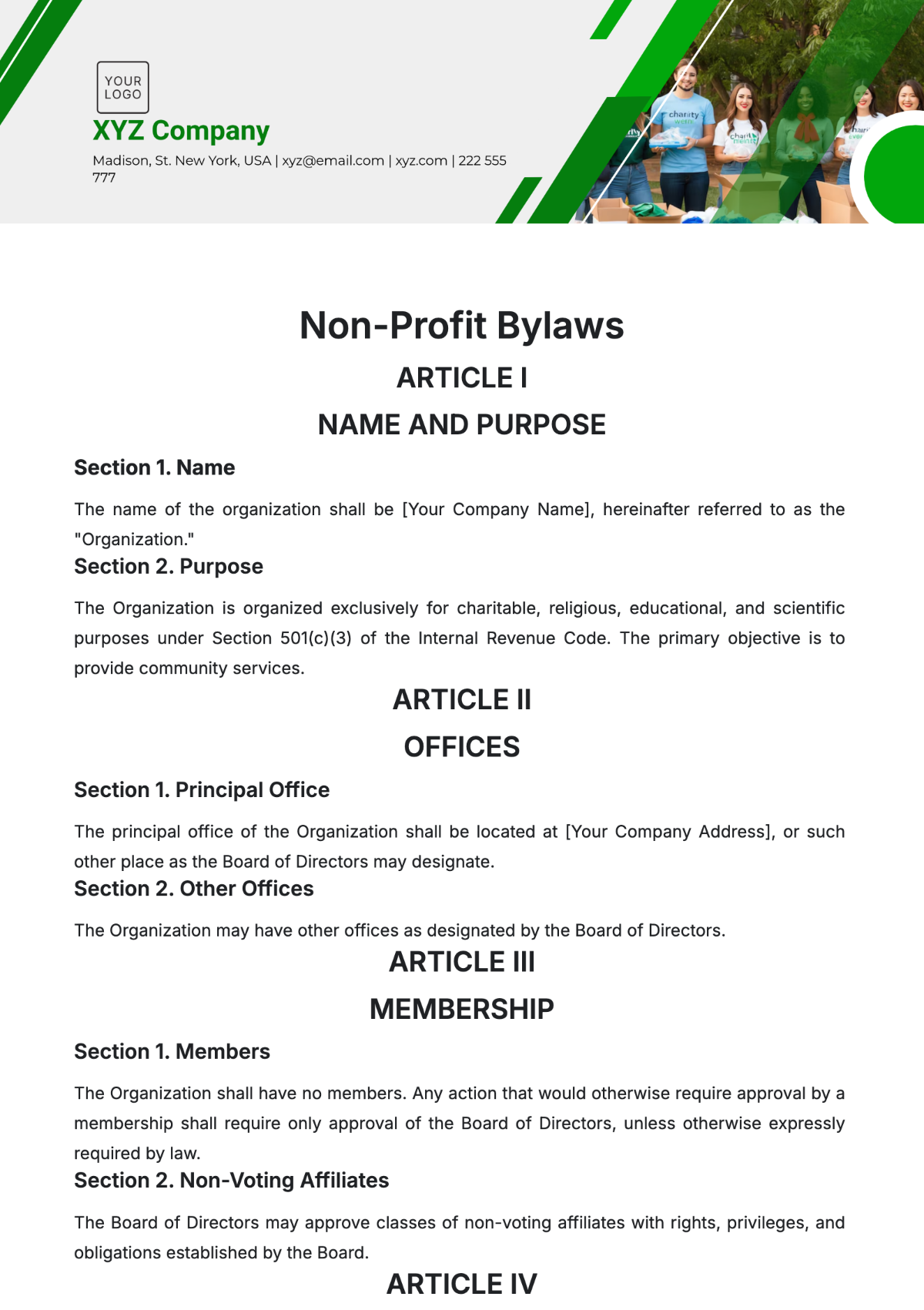
Creating nonprofit bylaws can seem daunting, but having a template simplifies the task. It allows organizations to focus on their mission while ensuring they adhere to legal requirements. A comprehensive bylaws template covers essential aspects such as membership, board structure, meetings, and financial management. This article will explore the key components of a nonprofit bylaws template and its importance in organizational governance.
Nonprofit Bylaws Template
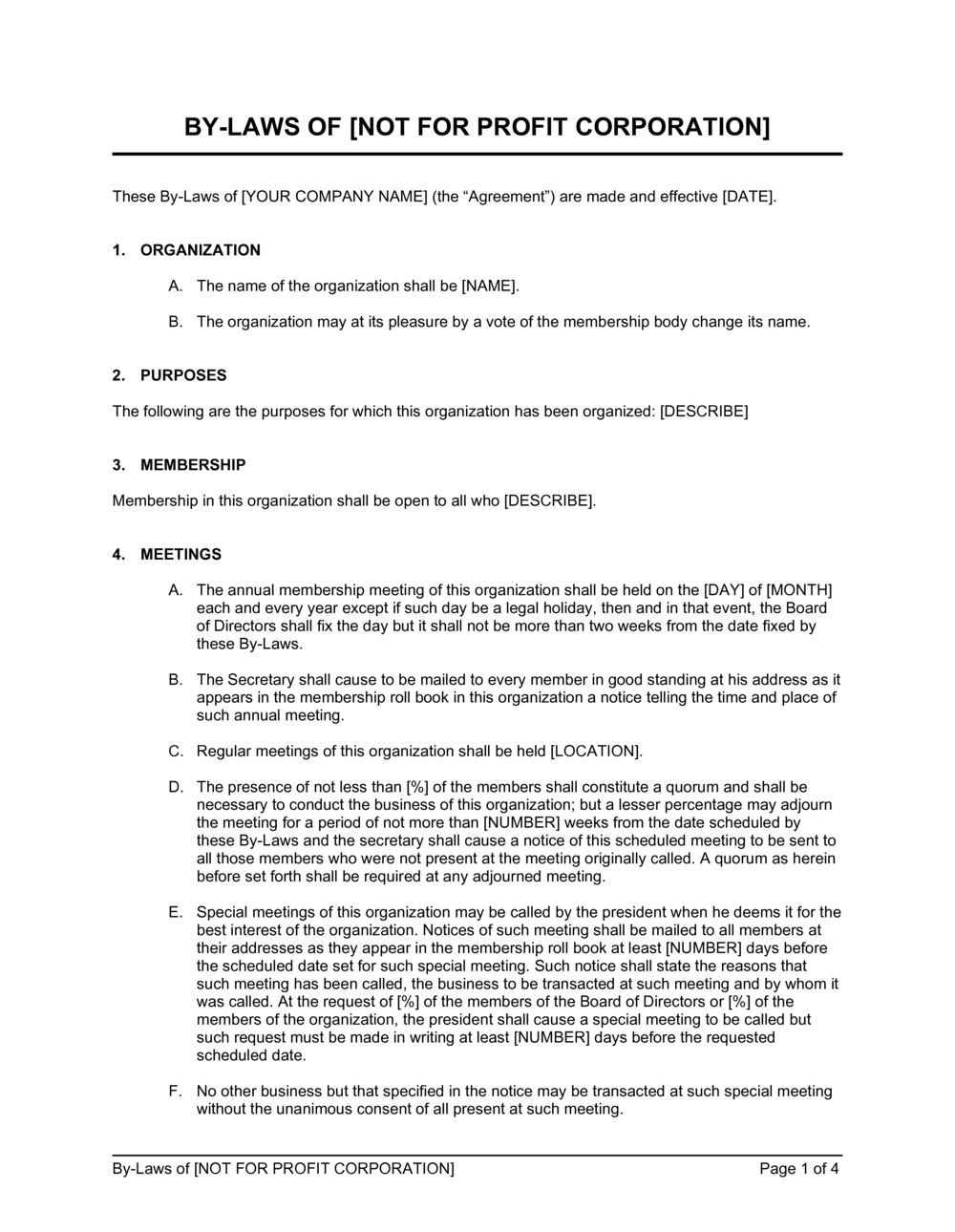
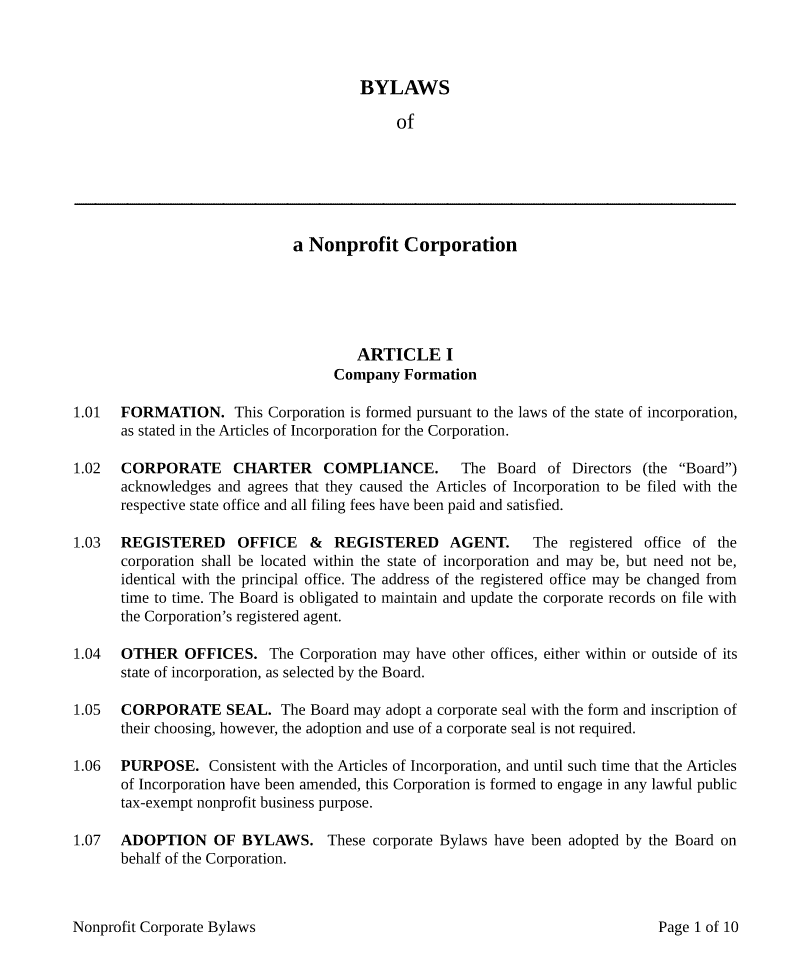
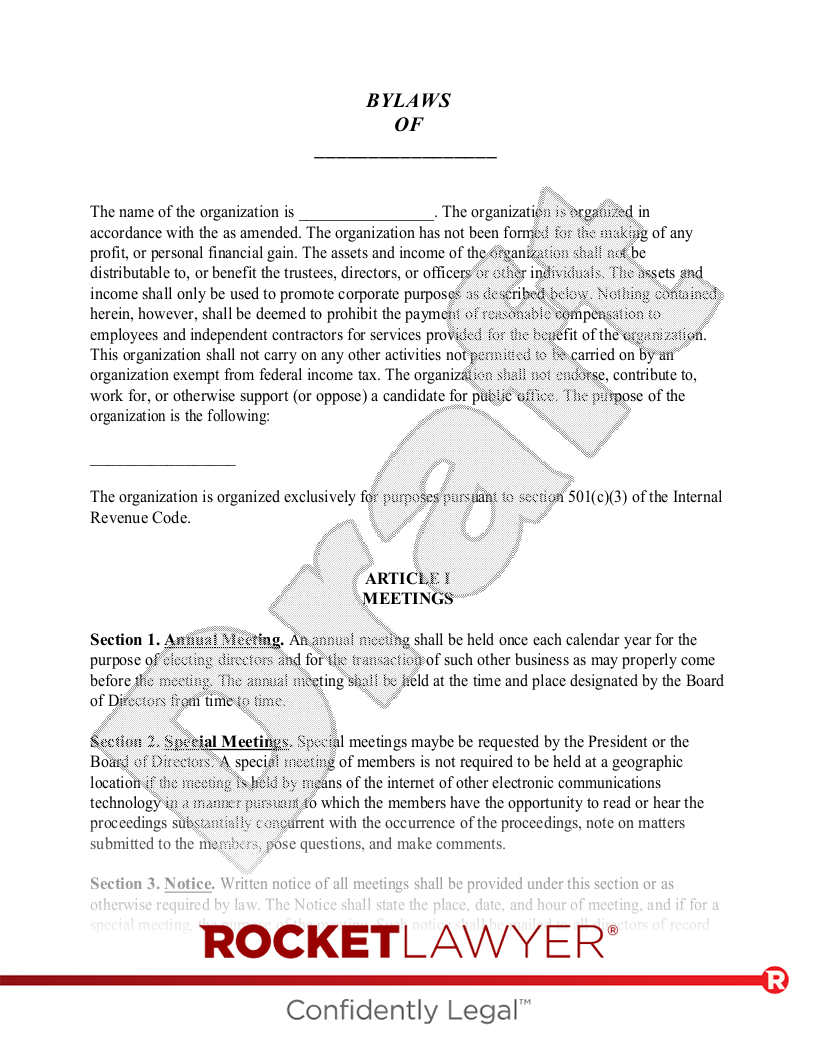
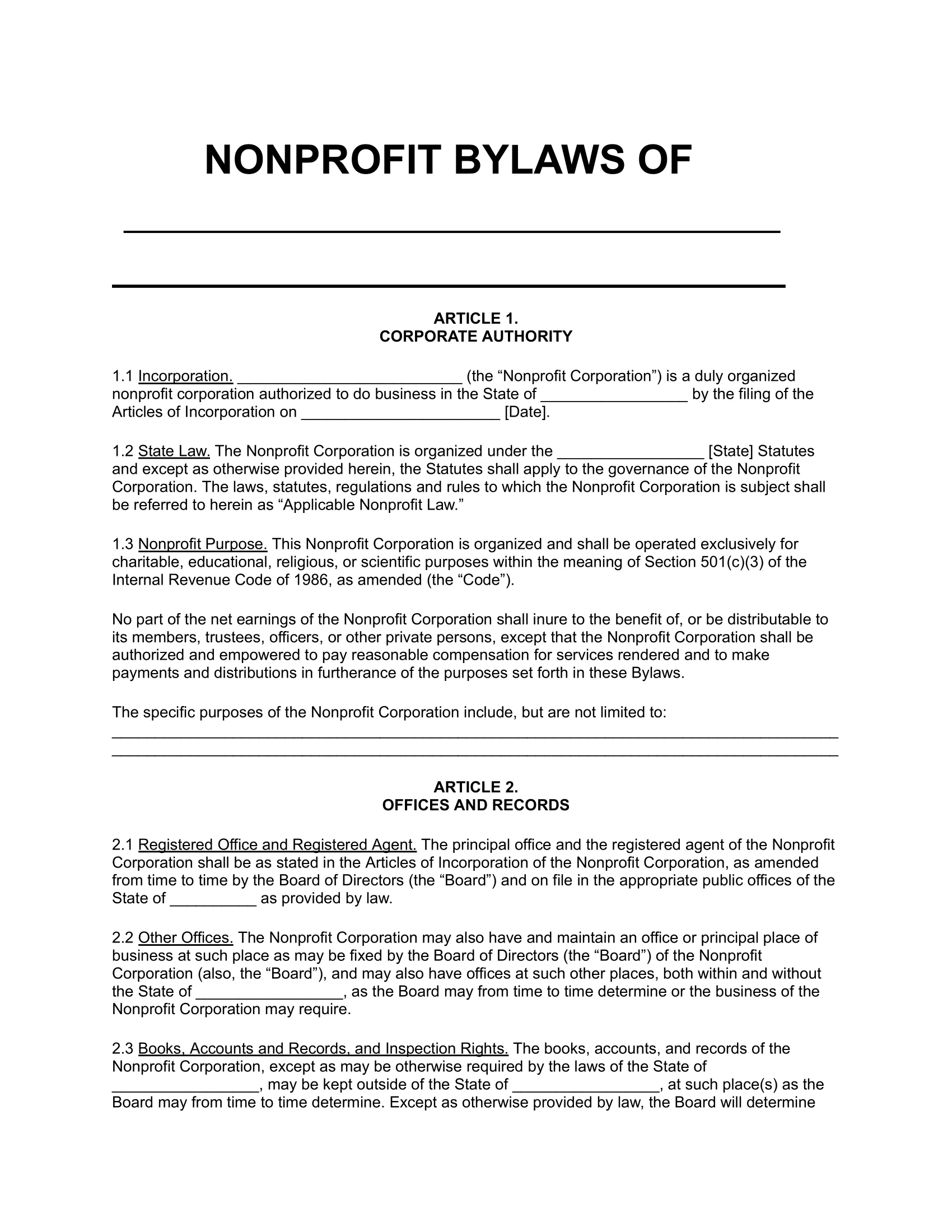
A nonprofit bylaws template typically includes several critical sections that outline how the organization will function. These sections are designed to provide clarity and guidance for members and leaders alike.
1. Name and Purpose
The first section of the bylaws should state the organization’s name and its purpose. This establishes the identity of the nonprofit and clarifies its mission to stakeholders. Clearly defining the purpose helps align activities with the organization’s goals.
2. Membership
This section outlines who can become a member of the organization, the rights and responsibilities of members, and any membership fees or requirements. It is essential to define how members can join or leave the organization to maintain transparency.
3. Board of Directors
The bylaws should detail the structure of the board of directors, including the number of members, their roles, terms of service, and how they are elected or appointed. This section ensures that there is a clear governance structure in place to guide decision-making.
4. Meetings
Bylaws must specify how often meetings will be held, how they are called, and what constitutes a quorum for decision-making. This section is vital for maintaining order and ensuring that all members have an opportunity to participate in discussions.
5. Amendments
Finally, it is important to include a process for amending the bylaws. This allows for flexibility and adaptation as the organization grows or changes over time while ensuring that all members have a say in any modifications.
In conclusion, having a well-structured nonprofit bylaws template is essential for any organization aiming to operate effectively and transparently. By clearly defining roles, responsibilities, and procedures, nonprofits can focus on their mission while ensuring compliance with legal standards. Investing time in creating comprehensive bylaws will ultimately strengthen governance and enhance organizational stability.
Download and Print nonprofit bylaws template Listed below